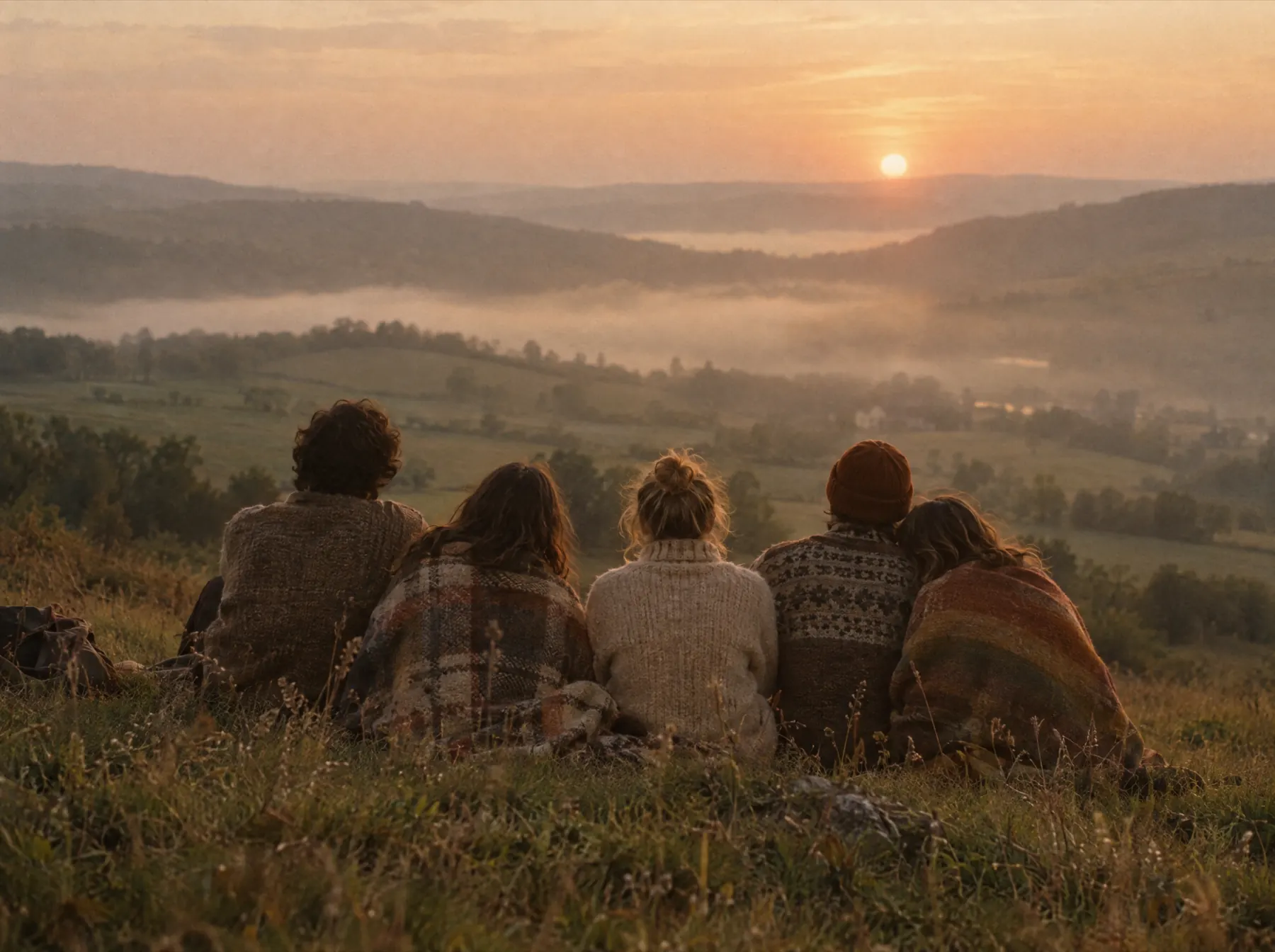
The free thing your body is waiting for
Indoors on a winter morning you might get 300 lux. Outdoors on the same grey morning, several thousand. Your body can tell the difference, even when you cannot.
Your eyes are far worse at judging brightness than you think, and your circadian clock is far better.
Step outside on an overcast Danish morning in November and it hardly seems light at all. Measured, it is often well over 1,000 lux, and on a clear day many thousands. The room you just left was somewhere between 100 and 500. You perceived them as broadly similar. Your body did not.
The clock in the brain that decides when you are alert and when you are sleepy is set by light, and it is most sensitive to it in the morning. That is not folklore; it is the mechanism, and it is one of the better-understood things in this whole field.
What the large studies show
A study of more than 400,000 UK Biobank participants found that time spent in outdoor light was associated with better outcomes across mood, sleep and circadian measures: easier mornings, fewer insomnia symptoms, an earlier sleep preference. More daylight, better numbers, consistently.
Work published in PNAS on UK adults in ordinary daily life reached the same place from the other direction: light exposure predicts sleep timing and daytime sleepiness, and experimental studies show light shifting the phase of circadian rhythms rather than merely correlating with them.
The intervention is: go outside in the morning. That is the whole intervention.
The caveats, which are smaller than usual
The Biobank work is cross-sectional and longitudinal association, not a randomised trial. People who spend more time outdoors differ from people who do not, in health, work and probably temperament. That limitation is real.
But this is one of the few cases on this site where the observational signal, the controlled experiments and the underlying physiology all point the same way. Light sets the clock. We have known that for decades. The population data is confirming something the laboratory already established.
What we do
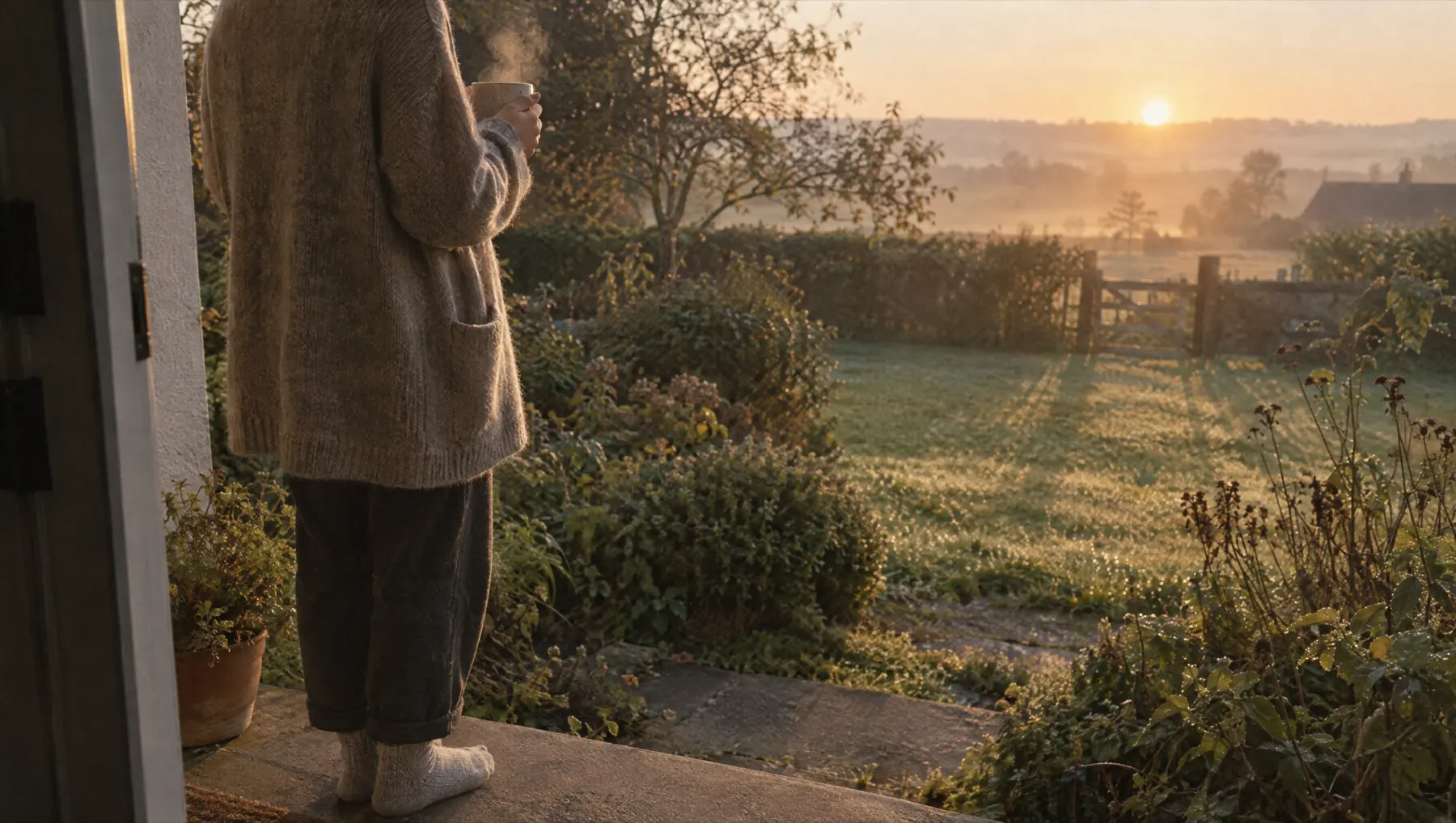
- Outside, early, briefly. Ten to twenty minutes within an hour or so of waking. Coffee counts if you drink it standing outdoors.
- Cloud is not an excuse. An overcast sky still beats any room in your house by an order of magnitude.
- Through glass is much weaker. A window seat is better than nothing and worse than a doorstep.
- And the other half is the dark. Bright evenings do the reverse. The lamp you leave on is part of the same system as the morning you skipped.
Denmark makes this hard for four months of the year, and no article can fix a sunrise at 08:40. But on the days it is possible, this is the cheapest thing in the entire journal, and among the best supported.